Epochs · Mediterranean
Greek and Roman Antiquity
c. 3000 BCE – 400
Tour this roomYour taste…
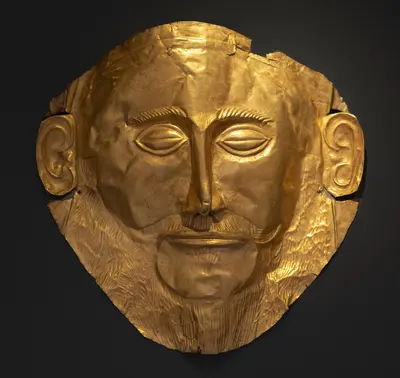
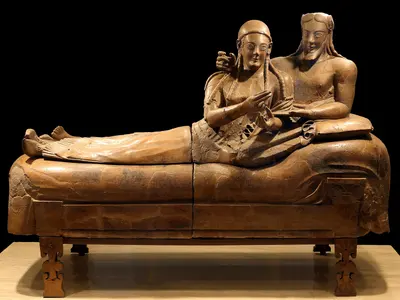
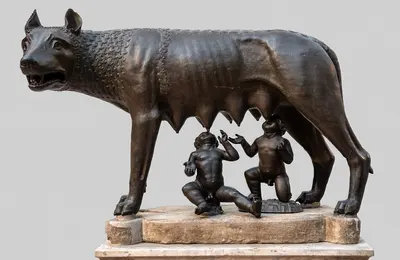
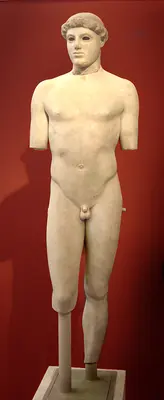
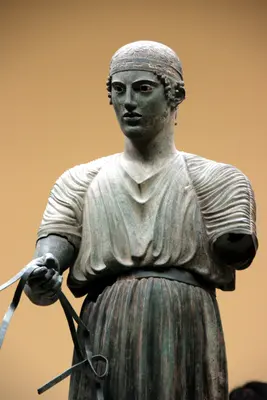
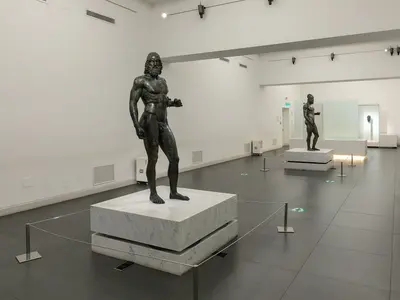
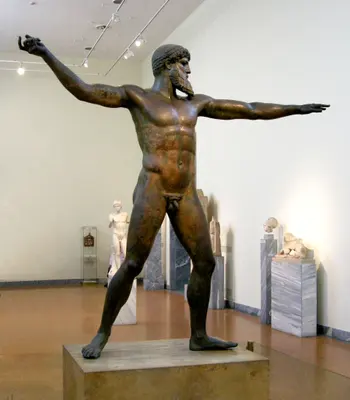
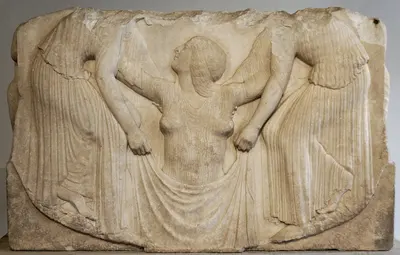
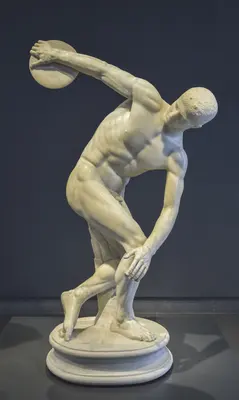
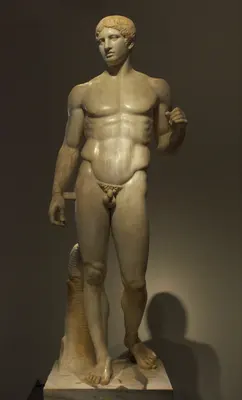
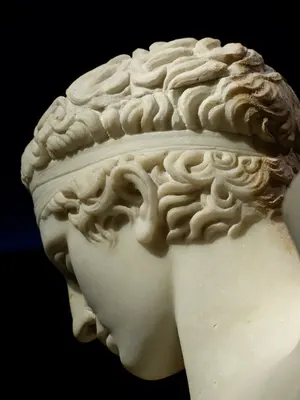
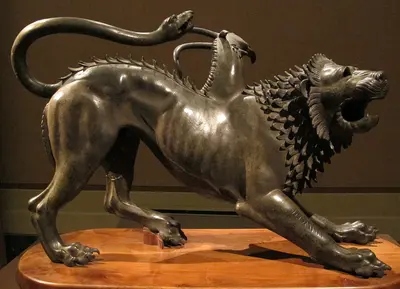
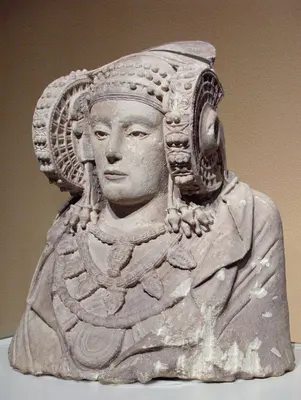
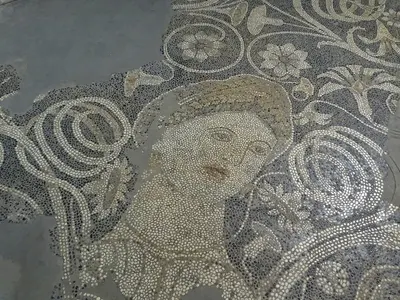
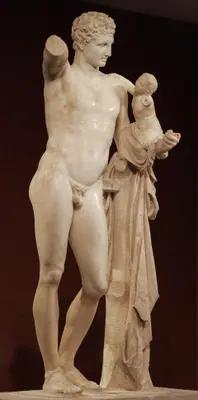
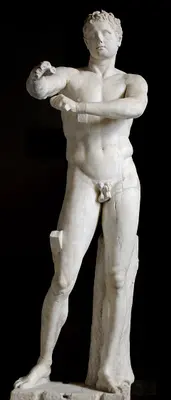
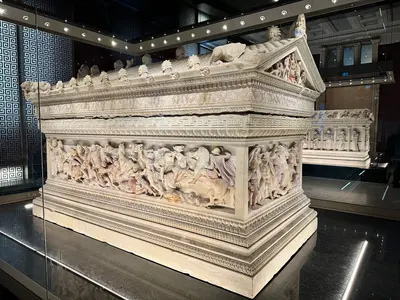
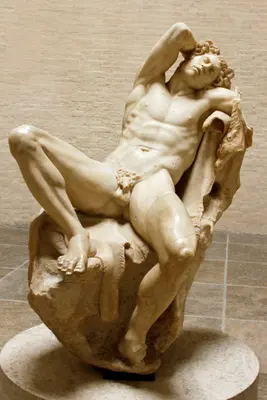
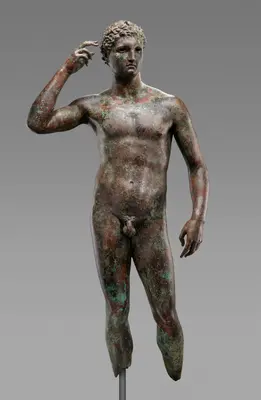
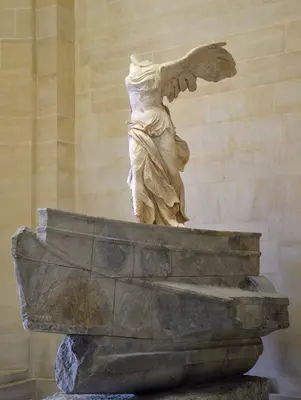
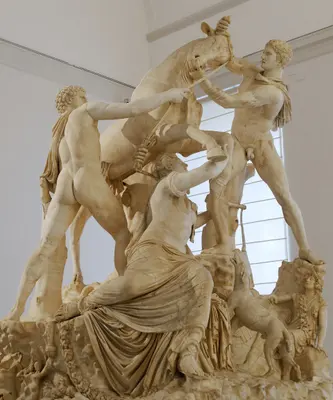
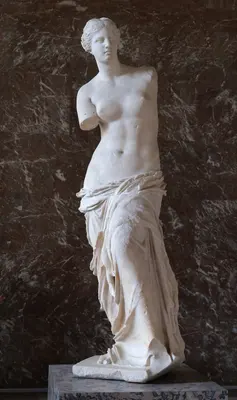
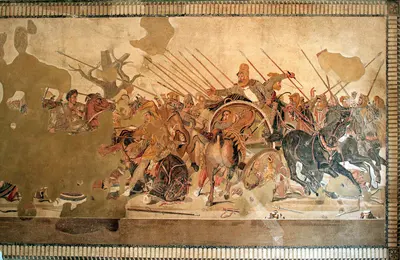
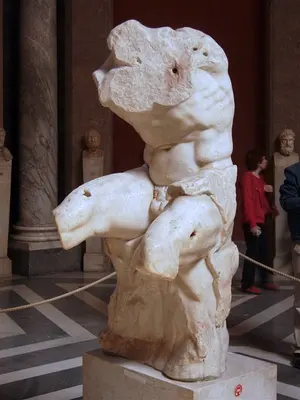
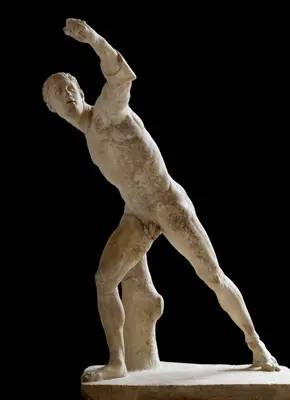
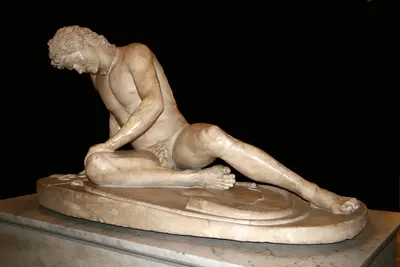
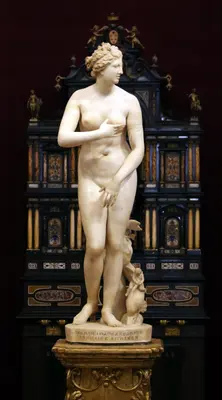
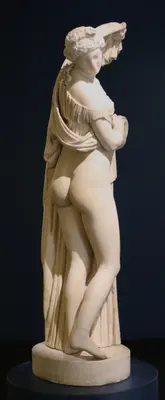
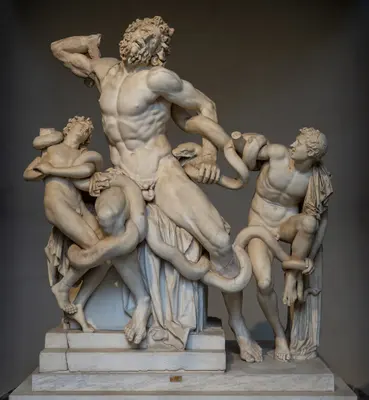
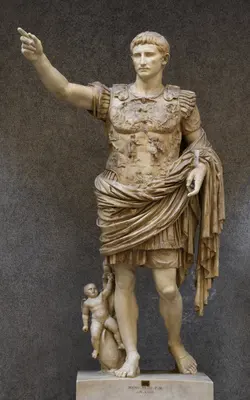
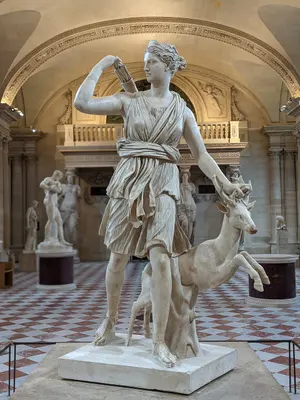
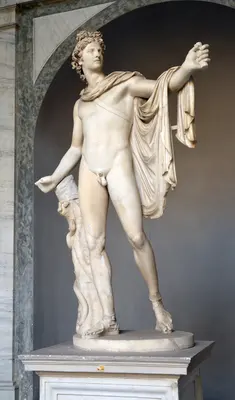
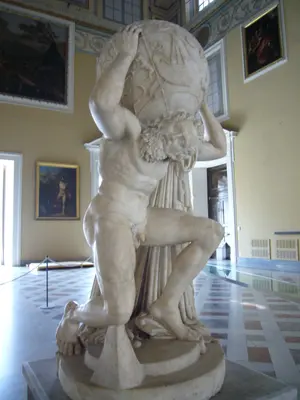
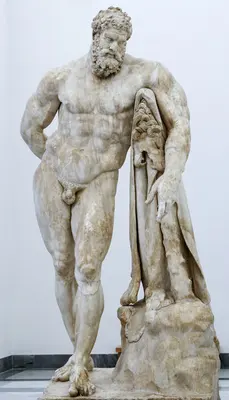
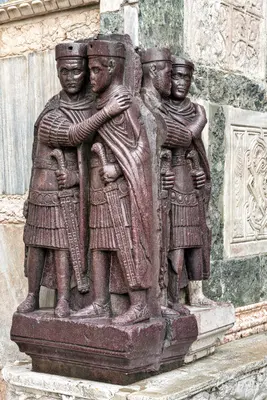
From Cycladic marble idols to the portrait busts of imperial Rome, the art of the ancient Mediterranean moved toward an ever more convincing image of the human body. Greek sculptors of the fifth century BCE fixed an ideal of balanced, athletic naturalism, while vase painters told the myths in lively line. Rome absorbed that legacy and added unflinching portraiture, narrative relief and a taste for copies of Greek masterpieces that spread across the empire.
Hallmarks
- The idealised human body
- Contrapposto and harmonious proportion
- Myth told on painted pottery
- Unflinching Roman portraiture
Artists here
- Unknown artist, Ancient Greece
- Unknown artist, Etruria
- Myron · c. 485 – c. 440 BCE
- Polykleitos · active c. 460 – 420 BCE
- Unknown artist, Italy
- Unknown artist, Iberian
- Praxiteles · active c. 375 – 330 BCE
- Lysippos · c. 390 – c. 300 BCE
- Apollonius of Tralles · active late 2nd century BCE
- Agasias of Ephesus · active c. 100 BCE
- Unknown artist, Ancient Rome
- Apollonius of Athens · active 1st century BCE